
Jet Ski Safety Tips for a Fun and Secure Adventure


Understanding the Basics
Jet skiing is an exhilarating water sport that offers thrills and excitement. However, understanding the basics of jet skiing is crucial for a safe and enjoyable experience. Before hitting the water, make sure you are familiar with the controls and functions of the jet ski. Most importantly, wear a life jacket at all times. This basic piece of equipment can save lives, ensuring that you stay afloat if you fall into the water.
Additionally, take a safety course if you're new to jet skiing. These courses often cover essential skills and safety protocols, providing you with the knowledge needed to handle unexpected situations.

Check Equipment and Weather Conditions
Before heading out, inspect your jet ski thoroughly. Look for any damages or issues that might affect your ride. Check the fuel level, engine condition, and safety features like the kill switch. This pre-ride check can prevent breakdowns and accidents while you're on the water.
It's also vital to consider weather conditions. Calm and clear weather is ideal for jet skiing. Avoid riding in rough waters or during storms, as these conditions can increase the risk of accidents. Always have a weather app handy to monitor changes in real-time.
Follow the Rules and Regulations
Just like driving a car, operating a jet ski comes with a set of rules and regulations. Be aware of the local laws regarding speed limits, restricted areas, and age requirements. Following these laws not only ensures your safety but also the safety of others sharing the water.
Respect other watercraft and maintain a safe distance to avoid collisions. Remember, jet skis are powerful machines, and reckless behavior can lead to severe consequences. Always prioritize safety over speed.

Maintain Awareness and Communication
While on the water, maintaining awareness of your surroundings is key. Keep an eye out for other boats, swimmers, and obstacles. Use your mirrors frequently and be prepared to react quickly if needed.
Communication is equally important. If you're jet skiing with a group, establish hand signals or use waterproof communication devices to stay in touch. This ensures that everyone is on the same page and can act promptly in case of an emergency.
Know Your Limits
Jet skiing can be physically demanding, especially for beginners. Know your limits and don’t push beyond your comfort zone. Take breaks when needed and stay hydrated. Fatigue can impair your ability to operate the jet ski safely.
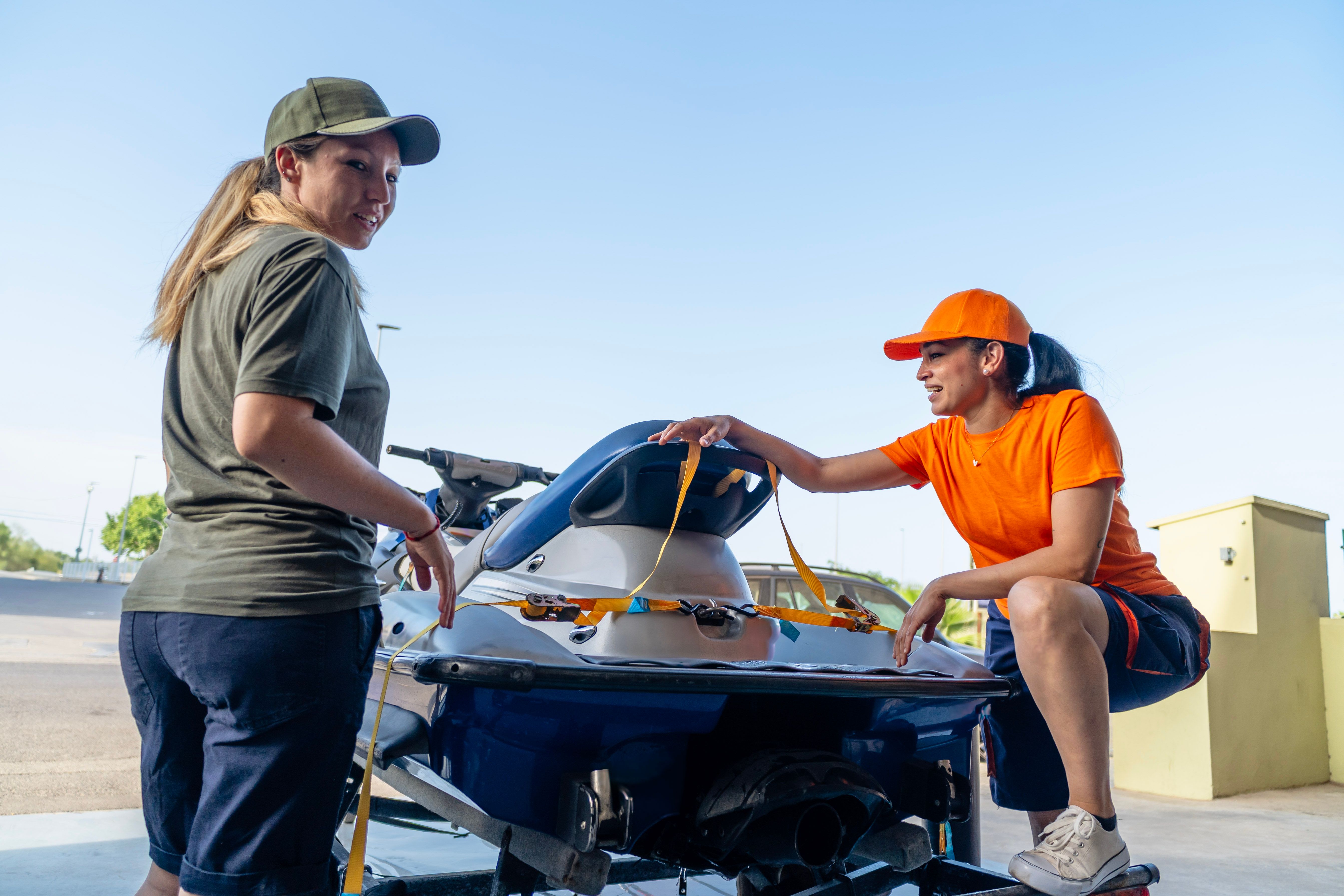
By following these safety tips, you can enjoy the thrill of jet skiing while ensuring a secure adventure. Remember, safety is a shared responsibility. Stay informed, prepared, and cautious to make the most of your time on the water.